We just wrapped our first full year of results with state HFAs, and I wanted to share what we’ve learned after a year of working side by side with housing agencies. Here’s what we’re seeing about why first-time buyers struggle, where they get lost, and what changes when they have a clear front door to your programs.
First-time homebuyers are having a rough go right now. They made up just 21% of home purchases last year, the lowest share ever recorded, and the typical first-time buyer is now 40 years old (NAR).
Prices and rates are a big part of that, and nobody’s software is going to fix the housing market. But I’m convinced there’s another piece of this we can absolutely fix: buyers don’t know your programs exist, and they don’t know they qualify.
Buyers think they’re further away than they are
81% of people who want to buy a home say the down payment and closing costs are a significant obstacle (Bankrate). A third think they need 20% down. 42% think they need excellent credit. Every HFA reading this knows neither is true.
The one that really sticks with me: about one in five recent buyers say they wish they’d known about down payment assistance before they started (RISMedia). They found out after they bought, or not at all.
The money is there. The connection isn’t.
There are more than 2,600 down payment assistance programs in the country right now, averaging about $18,000 each (Down Payment Resource). Yet only about 17% of recent buyers used one (Bankrate).
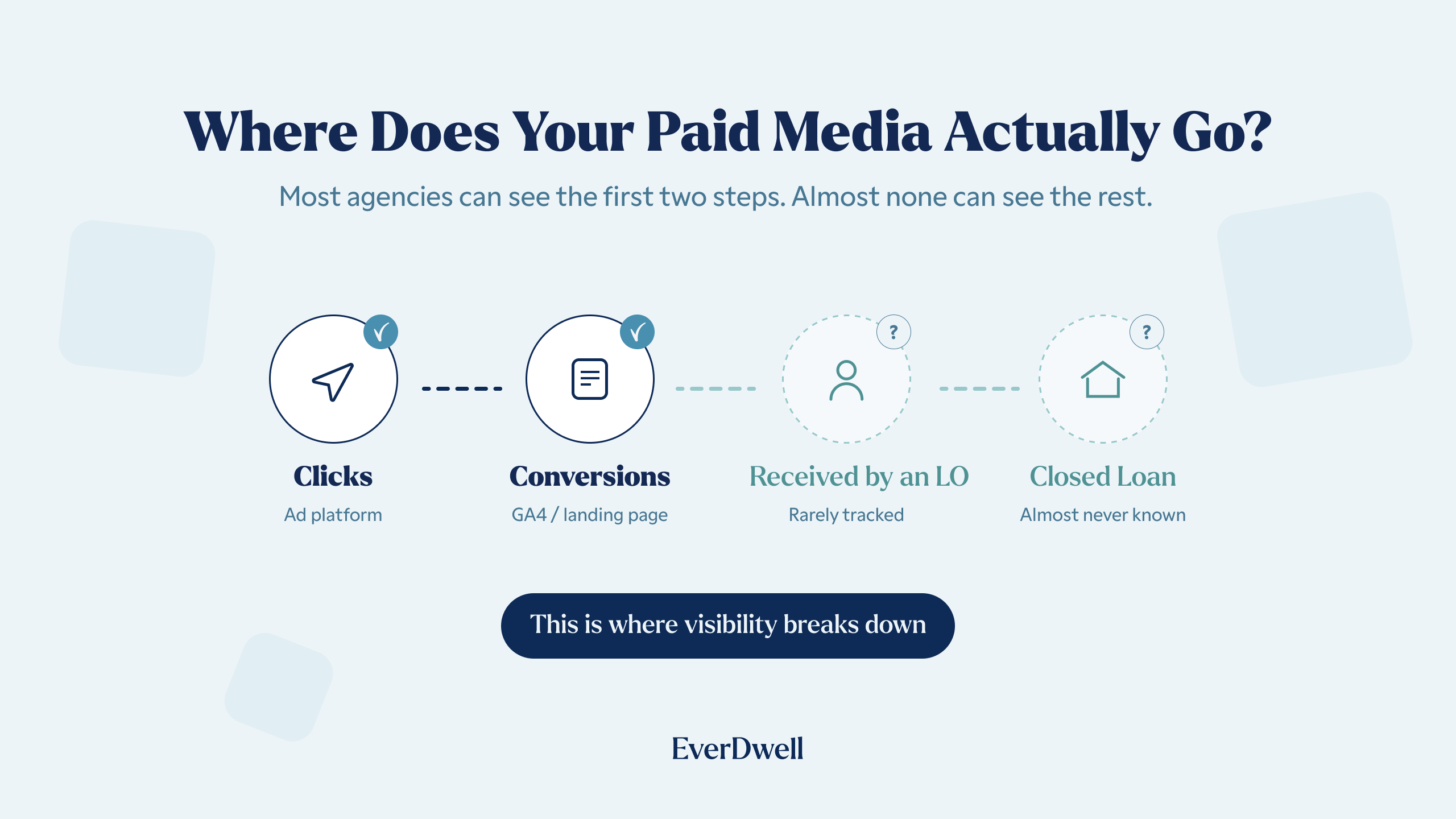
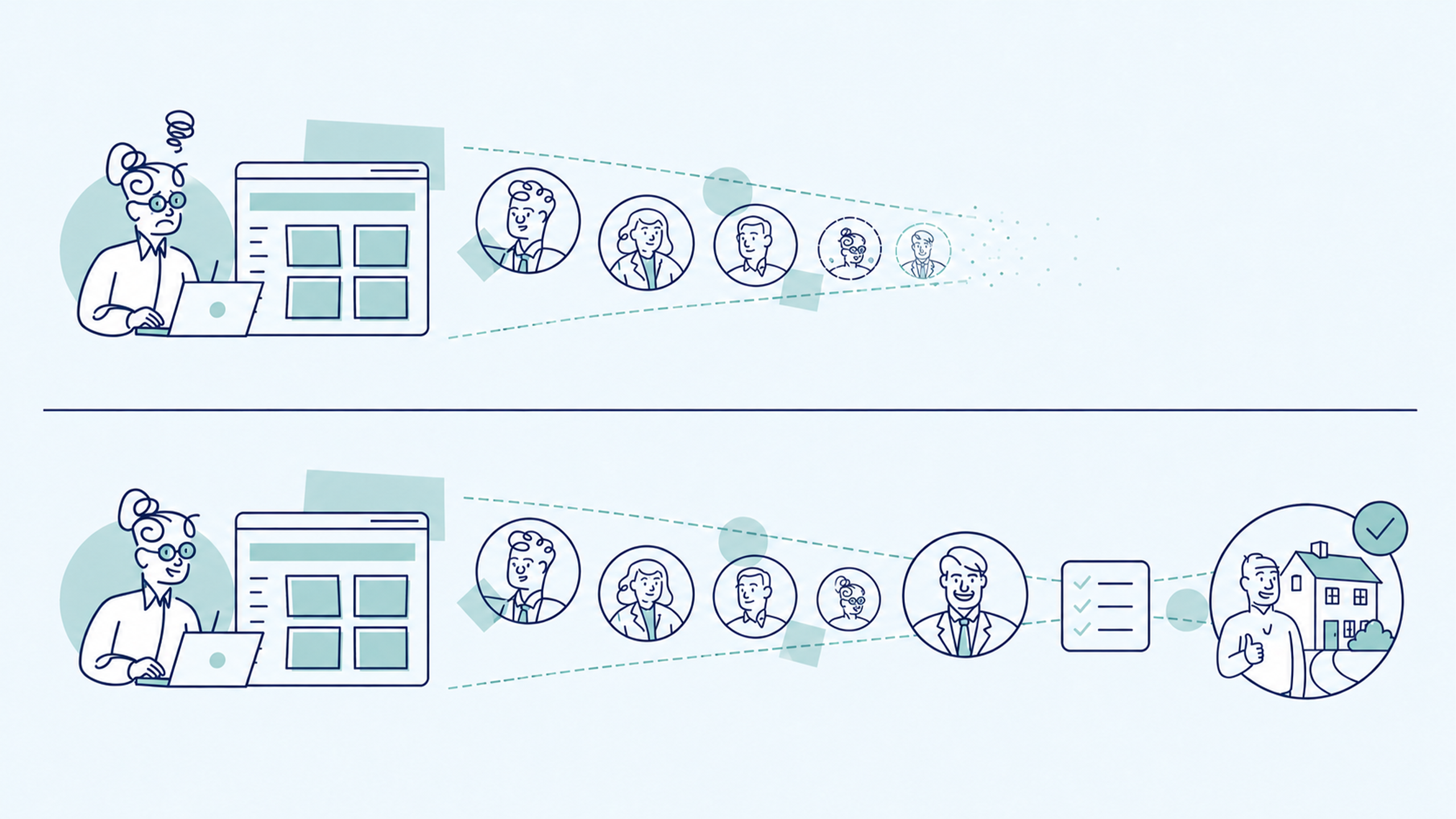
That’s not a funding problem. It’s a connection problem. A buyer has to find your program, figure out if they qualify, and land with a loan officer who actually offers it. Every one of those steps is a place they drop off, or end up in a non-HFA loan.
Homebuyer education is the one thing every buyer touches, and it usually shows up too late to help. In HUD’s big homebuyer education study, only a quarter of people finished everything offered to them (Inman).
So we built the front door
EverDwell flips that order. Instead of buyers stumbling onto your programs after they’ve already picked a lender, they start with you:
- Quick Check. Homebuyers answer a few quick questions, see which of your programs they may qualify for, and get connected right away with a participating loan officer.
- Your rules. You decide how leads get matched: statewide, by county, or by language. If an LO doesn’t respond within two business days, the lead moves to the next one so the buyer hears back fast.
- Full transparency. The lender dashboard shows every lender’s leads and results, including when one of your leads closes on a non-HFA loan. Agencies love this part.
- Tracked to closing. Every lead is followed all the way to a closed loan, so you can show your board exactly what your programs produced.
It’s a light lift, too: about three hours of your team’s time to onboard and one hour of LO training, which we handle. We built EverDwell so one additional closed loan a month covers the subscription.
Year one, by the numbers
Here’s what our first year looked like across the three state HFAs we’re live with today:
- 162,148 homebuyers started a Quick Check
- 78,655 found out they likely qualify for a program
- 55,042 were connected with a participating loan officer
- 645 have already closed on an HFA loan
That 645 grows every month. Buying a home takes time, and most of those 55,000 buyers are still working with their LO right now.
The number I get the most excited about is the opportunity number. More than 160,000 people raised their hand and said, “Show me if I can do this.” The demand is there. We’re just getting started.
Let’s talk
If you’re at an HFA and want more of your funding turning into closed loans, I’d love to show you what EverDwell could do in your state. Grab 30 minutes with me and I’ll walk you through it.
Housing is heart work. Let’s get more people home.
Katie Patterson, Founder & CEO, EverDwell
Sources
- NAR 2025 Profile of Home Buyers and Sellers
- Bankrate aspiring homeowners survey, 2025
- New American Funding survey via RISMedia, 2026
- Down Payment Resource, Q4 2025 Homeownership Program Index
- HUD First-Time Homebuyer Education study via Inman, 2022
- EverDwell platform data, November 2026