


The most significant federal housing legislation in decades is headed for President Trump’s desk. For Housing Finance Agencies, it’s not just a policy update — it’s a demand signal. Here’s what the bill means for the buyers you serve, and how to get ahead of it.
The U.S. housing market has been defined by scarcity for years. Not enough homes. Not enough inventory. Not enough attainable options for the first-time buyers that Housing Finance Agencies exist to serve.
The 21st Century ROAD to Housing Act — passed by the Senate 85–5 and the House 358–32 — is the federal government’s most serious attempt in decades to change that. Over 40 provisions targeting supply, affordability, and access are now on the verge of becoming law.
For HFA program staff, the question isn’t whether the bill matters. It’s whether your program is positioned to capture the demand it creates.
What the bill sets in motion for first-time buyers
To understand the opportunity for HFAs, start with what the bill does for the buyers you serve.
The ROAD Act attacks the supply problem directly. It streamlines federal environmental reviews for infill construction — explicitly exempting infill residential projects from federal environmental review — and creates grant programs for preapproved housing design templates that reduce local permitting friction. Communities that exceed homebuilding benchmarks receive additional federal funding, creating financial incentives for local governments to remove the zoning barriers that have suppressed starter-home construction for years.
The bill also expands access to manufactured housing financing and government-backed loans for accessory dwelling units — two of the most attainable paths to first-time ownership in high-cost markets.
For renters who aren’t quite ready to buy, the bill increases FHFA-insured multifamily loan limits (unchanged for 12 years) to spur apartment development, expands rental assistance programs, and introduces new renter protections. These buyers are in your future pipeline — more stable housing situations mean more people in a position to take the next step toward ownership.
The timeline is measured in years, not months. As Danielle Hale, chief economist at Realtor.com, noted, provisions “will take time to impact builder planning and projects in the pipeline.” But that runway is exactly why HFAs need to act now — before the demand surge arrives.
What it means for HFAs specifically
Every provision that puts a first-time buyer closer to ownership creates a potential participant in your program. The ROAD Act doesn’t just help buyers abstractly — it expands the pool of people who will be actively looking for down payment assistance, favorable loan products, and the kind of guidance HFAs are uniquely positioned to provide.
Here’s how the bill’s key provisions map to HFA opportunity:
More starter homes and infill construction means more inventory in the price ranges your buyers can actually reach. For HFAs that have watched qualified buyers lose out or give up due to lack of options, this is the structural relief the market needs — and your programs are positioned to activate that inventory for the buyers who need help crossing the affordability gap.
Expanded manufactured housing and ADU financing opens new segments of the market to first-time buyers, particularly in high-cost metros. HFAs that proactively educate participating loan officers on these product types will be ahead of the curve when buyers start asking about them.
The HOME Investment Partnerships Program expansion broadens eligible uses for federal affordable housing grants to states and localities. For HFAs, this is a potential funding stream to watch closely as you assess how to expand program capacity in response to increased demand.
The institutional investor reporting requirement — large investors owning 350 or more single-family homes are now barred from purchasing more and required to report their portfolios to HUD — shifts the competitive landscape modestly in favor of owner-occupant buyers. HFAs and their loan officer networks are the pro-community infrastructure that directs buyers into ownership rather than perpetuating the renter cycle. That story is worth telling to your stakeholders.
The rental assistance expansion and renter protections create a more stable foundation for the buyers who are 12 to 24 months away from being ready. These are the people HFA outreach programs should be reaching today — building the relationship before the buyer is in the market, so your program is the first call they make when they are.
The pipeline challenge no legislation solves
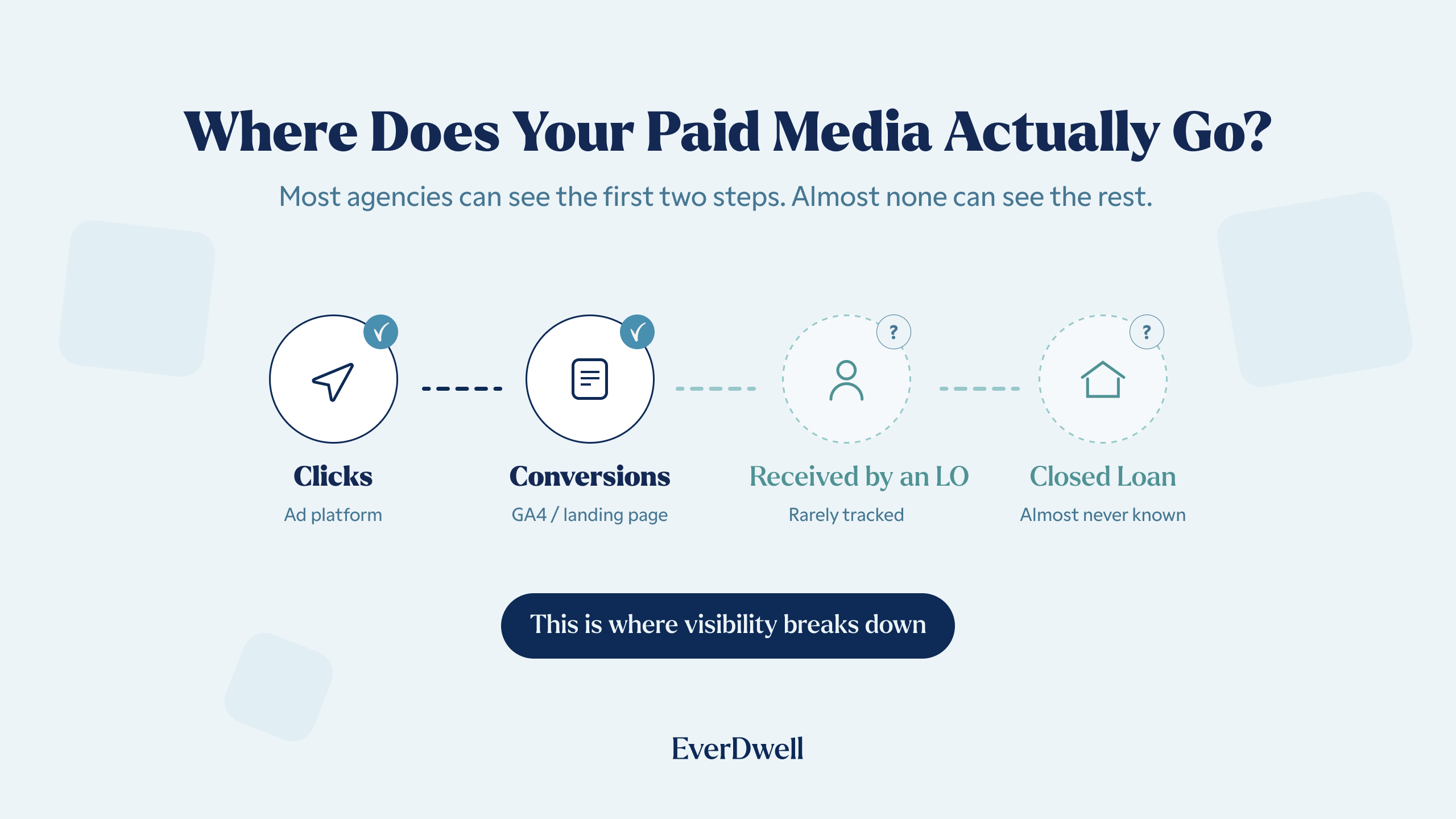
The ROAD Act improves the conditions for first-time homeownership. It does not improve what happens the moment a buyer finds your program and raises their hand.
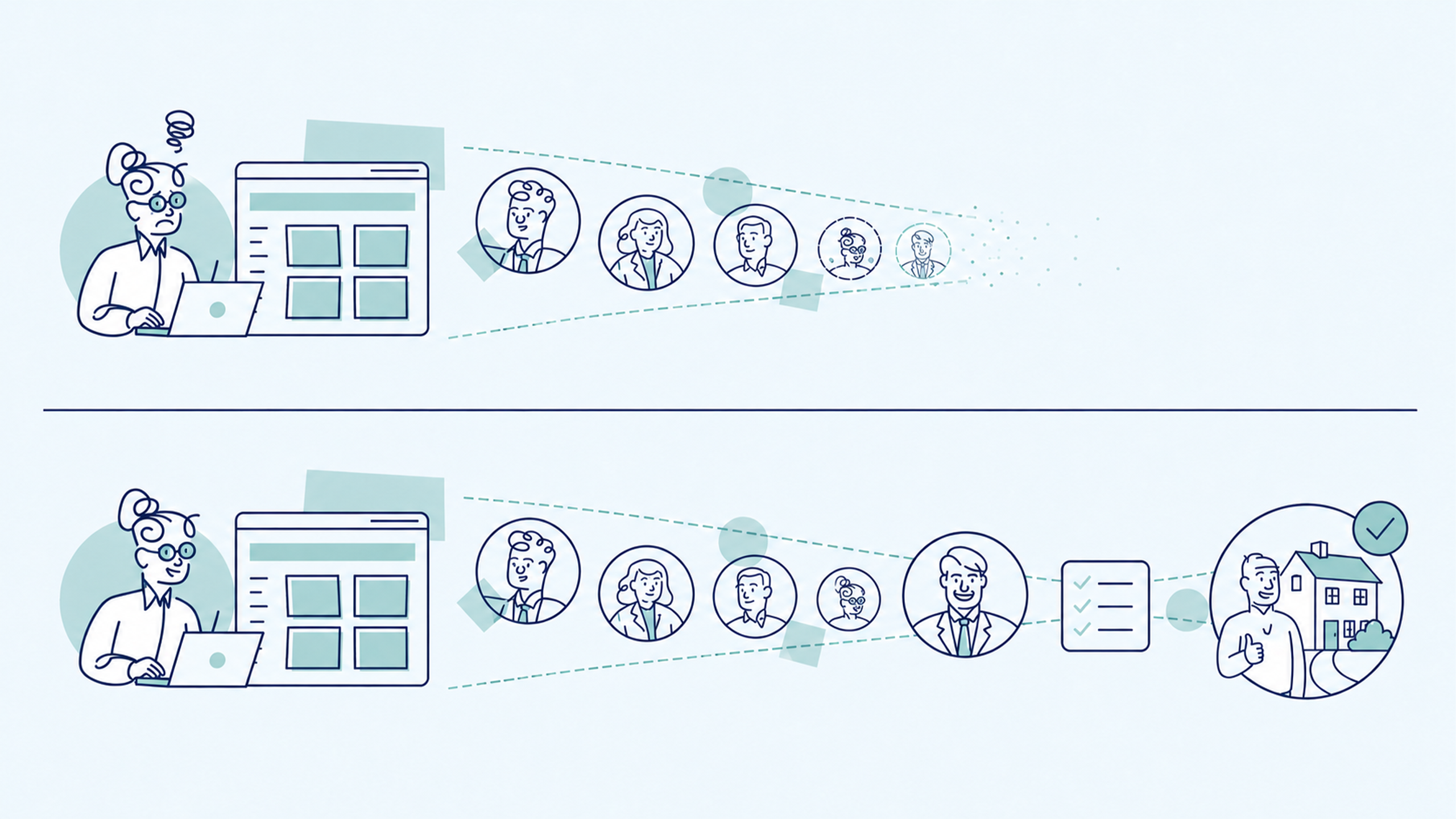
That handoff — from buyer inquiry to loan officer engagement to closed loan — is where HFA programs win or lose at the individual level. And as demand increases, the pressure on that pipeline increases with it. More buyers entering the market means more leads, more loan officer relationships to manage, and more visibility required to know what’s actually happening inside your network.
This is where the work lives. Not in the legislation, but in the infrastructure.
What EverDwell has seen working with HFAs across the country is that lead response time is one of the most powerful variables in whether a qualified buyer closes. When MassHousing launched on EverDwell, the first lead reached a participating loan officer within 10 minutes. Over 1,000 leads were distributed in the first two weeks. That kind of speed and accountability isn’t just operationally satisfying — it’s the difference between a buyer who moves forward and one who quietly falls out of the pipeline.
As the ROAD Act begins to move the structural conditions for first-time homeownership, the HFAs that will serve the most buyers aren’t necessarily the ones with the largest programs. They’re the ones with the tightest pipelines — where every lead is visible, every loan officer is accountable, and every qualified buyer gets a real shot.
The bill improves the market. Your infrastructure determines the outcomes.
EverDwell is a lead-to-close platform built for Housing Finance Agencies. We help HFAs connect qualified first-time buyers to participating loan officers faster — and give program staff the pipeline visibility to know what happens next. Learn more at itseverdwell.com.